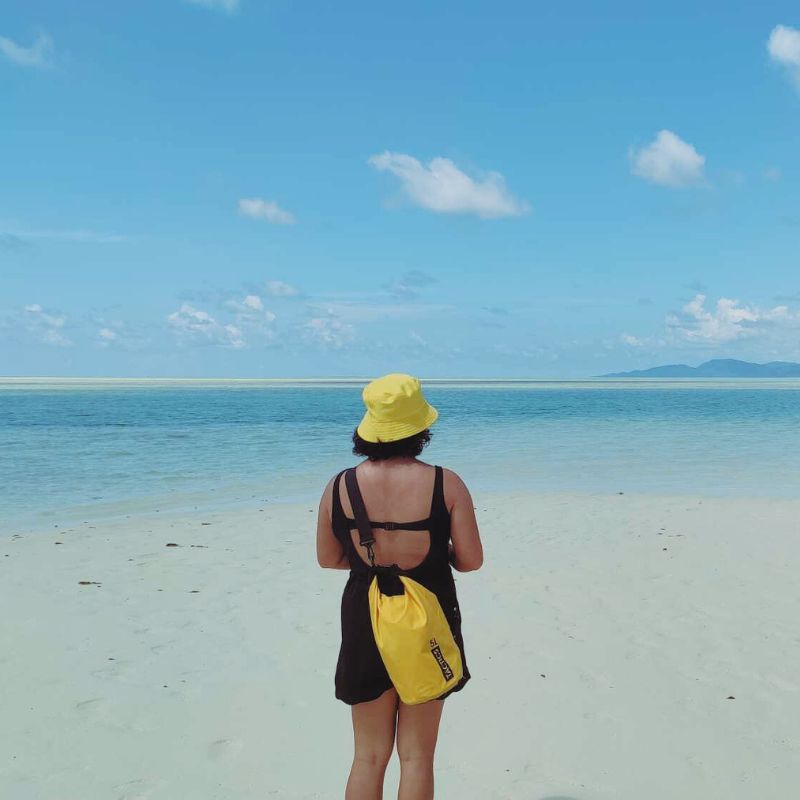
If you’re looking for a Balabac Island tour package, let me say this right away — this is not a casual beach trip.
You’re searching for something untouched. Something that hasn’t been softened by beach clubs, curated sunsets, and infinity pools built for Instagram angles.
Balabac sits at the southernmost edge of Palawan — closer to Malaysia than Manila — and it still feels like the Philippines before mass tourism took over. No towering resorts. No neon signs. No commercialized beachfront strips. Just raw sandbars, shifting tides, and water so clear it feels edited in real life.
But here’s the part most blogs gloss over: getting there requires effort.
And that effort is exactly what keeps it special.
The journey is long. The road trip is real. The signal disappears. The schedule depends on tides and weather. This is not a “land, transfer, arrive at resort lobby” type of destination.
That’s why choosing the right operator — and booking properly — changes everything.
We’ve done this trip twice. With the same team. And if we go a third time, we’ll likely do it the same way.
This isn’t a surface-level overview. This is the full breakdown — pricing, logistics, real camp conditions, what each day actually feels like, and why booking directly (and early) is more important than people realize.
Balabac, Palawan is the kind of place that makes you question every other “beautiful” beach you’ve seen before.
The first time we went, everything looked like it belonged in a travel catalogue. I remember looking around at the foreigners in our group — actual seasoned travelers — and even they couldn’t believe what they were seeing at the first stop. There was this collective silence. Not the awkward kind. The stunned kind.
And that was just the beginning.
If you think it looks good in photos, wait until you get there. Pictures don’t justify the scale, the colors, the clarity of the water. They flatten it. In person, it feels almost exaggerated — like someone turned the saturation too high.
Updated 4D3N Balabac Island Tour Package (₱13,799 Per Head)
Before we get into islands, let’s be honest about the logistics.
Balabac is in the southernmost part of Palawan. You fly into Puerto Princesa. Then you endure a 5–6 hour land trip to Buliluyan Port in Bataraza. Then you take a boat out into open sea.
This is not a DIY backpack-and-wing-it kind of destination.
On our first trip, we were picked up around 3:00 AM. Half asleep. Dark streets. Long ride ahead. But the moment you reach the port and see that wide open water, something shifts. You realize you’re going somewhere far. Somewhere most people won’t bother reaching.
We trusted Balabac Island Tours – Kamp Malaya both times (and please don’t confuse them with another operator with “Malaya” in the name).
We booked four months ahead on our first trip. Even earlier on the second.
And honestly? That decision made everything smooth.
The current 4 Days & 3 Nights joiner rate from Balabac Island Tours – Kamp Malaya is:
₱13,799 per person (Joiners Rate – 2026), this is about $240 each.
On paper, that number might make you pause. But context matters.
You’re not paying for marble floors or air-conditioned villas. You’re paying for coordination across land and sea, crew manpower, fuel, island access permits, camp operations, and full-board meals in a location with no commercial infrastructure.
And that’s where the value sits.
Inclusions
- Shared air-conditioned van transfers (Puerto Princesa ⇄ Buliluyan Port | approximately 5–6 hours land travel each way)
- This land transfer alone covers nearly the entire southern stretch of Palawan. It’s a pre-dawn pickup, a long scenic drive, and a commitment. You pass rural towns, farmland, stretches of forest, and coastal roads that feel increasingly far removed from city life.
- Shared tourist boat transfers (Buliluyan Port ⇄ Balabac Islands)
- From the port, you board a local boat that carries you into open waters. This isn’t a quick 20-minute ride. Depending on conditions, it’s a real sea transfer — wind in your face, salt in the air, horizon in every direction.
- Full board meals (Breakfast, Lunch, Dinner — except where specified)
- Meals are prepared fresh on the island. Think grilled seafood, vegetables, rice, simple but filling dishes cooked by the local team. After a full day under the sun and saltwater, these meals taste better than any plated resort dinner.
- Onok Island day tour
- One of the highlights of the entire trip — expansive shallows, marine life visible from the surface, sandbars that feel endless.
- All entrance fees and environmental fees
- These protected islands are regulated. Access requires coordination. You don’t have to handle any of it.
- Tent or hut accommodation at Sicsican Island (complete bedding provided)
- Basecamp is set up and ready when you arrive. Bedding is provided. You’re not pitching anything yourself.
- Life vest and local tour guide
The guides don’t just navigate. They coordinate tide timing, help with snorkeling spots, and manage transitions between islands.
Not Included
- Airfare
- Hotel in Puerto Princesa before or after the tour
- Onok Island overnight (available but with extra fee)
- Day 1 breakfast
- Day 4 lunch and dinner
- Personal expenses
We strongly recommend arriving in Puerto Princesa at least one day before your tour. The early pickup alone makes this decision wise.
Why Booking Directly With Kamp Malaya Is Already a Good Deal
Here’s what most people don’t realize.
Balabac Island Tours – Kamp Malaya is not a middleman agency. They are a locally owned operation directly connected to Sicsican Island — the very island where basecamp is located.
That ownership connection matters.
When the operator manages the island camp itself, coordination becomes tighter. There are no relayed messages between separate companies. No inflated third-party commissions. No miscommunication between boat crew and accommodation.
You’re dealing with the source. That means:
- No added reseller markups hidden in the package price
- Direct communication about your accommodation preference
- Clearer answers about hut availability
- Smoother coordination for transport timing and island permits
We’ve personally booked with them twice.
Both times, transport timing was clear. Pickup instructions were precise. Island entry logistics were handled seamlessly. When we had accommodation preferences, they were discussed directly — not filtered through a chain of agents.
In a destination this remote, operational control is everything. And booking directly removes unnecessary friction.
Want a Hut Instead of a Tent? Book Months Ahead.
Let’s talk comfort.
The standard joiner accommodation includes tents. And to be fair, they’re functional. Complete bedding is provided. They’re weather-protected. After a full day of sun exposure, even a simple tent feels like relief.
But if you want a native hut instead of a tent, you need to plan strategically.
Tent vs Hut: This Is Where Strategy Comes In
On our first trip, I noticed something interesting. Most of the foreigners in our group were in tents. Later we realized many of them had booked through agencies.
Meanwhile, we had a hut. Was it coincidence? Maybe. But I don’t think so.
After an entire day under the sun, snorkeling, walking sandbars, riding boats — that fan alone feels like luxury. Tents are fine. They’re functional. But if you want a hut, book months ahead and clearly communicate that request.
We booked right after securing our flights.
That’s the move.
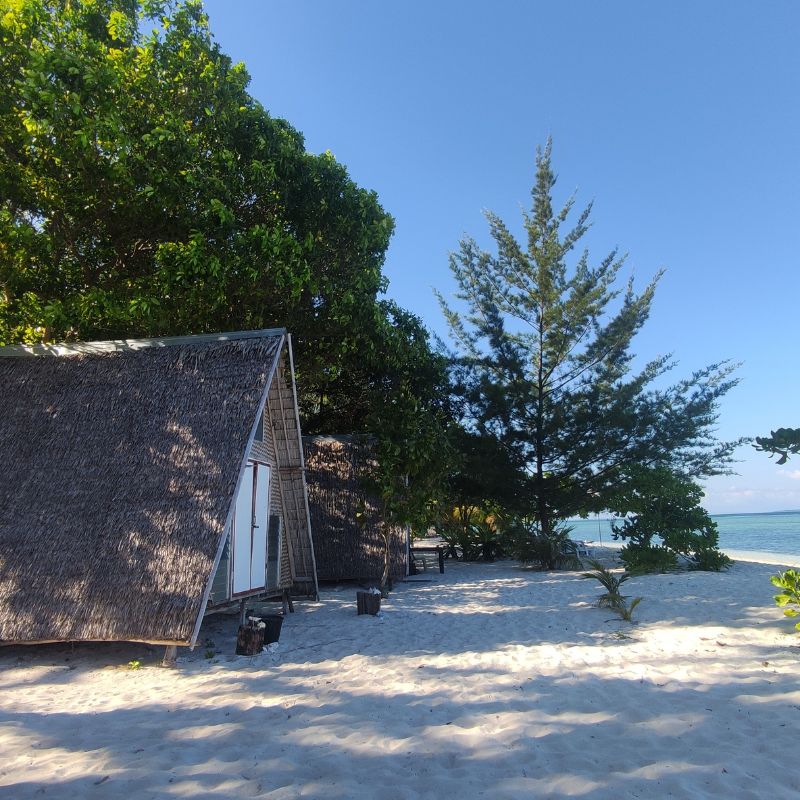
Huts are limited. Very limited.
To secure one, you should:
Book months in advance.
Communicate your request clearly during reservation.
Confirm availability directly before your trip.
We secured huts on both of our trips because we booked early and discussed it properly.
The huts typically offer:
- A raised proper bed
- Mosquito net
- Electric fan
- Electrical outlet
- Added privacy
- Better airflow
- More restful sleep
After snorkeling for hours and spending entire days under open sun, the difference between a tent and a hut becomes noticeable. Rest matters. Recovery matters.
Once peak season approaches, huts are usually fully reserved. If comfort is important to you, early booking is not optional — it’s essential.
The 4-Day Itinerary (What You’ll Actually Experience Emotionally)
Day 1 – The Commitment
Pickup begins around 2:30–3:00 AM in Puerto Princesa. You’re groggy. The streets are dark. The van ride feels long.
But somewhere midway, something shifts. The scenery becomes quieter. Fewer buildings. More coastline. More sky.
After 5–6 hours by land, you reach Buliluyan Port. From there, you transfer by boat to meet your island guide and crew.
Island hopping starts the same day.
Stops often include Tangkahan Island and Patawan Island before arriving at Sicsican Island, your basecamp. By the time you settle in, the fatigue is replaced by disbelief. The water is clearer than expected. The sandbars stretch further than photos suggest.
Dinner that night tastes earned.
Day 2 – Onok & Marine Encounters
You wake up to sea air instead of traffic noise.
Breakfast is simple but grounding. Coffee tastes stronger outdoors.
Stops often include Starfish Sandbar, Onok Island, and Nasubata Reef.
Onok Island deserves its reputation.
The water is shallow for what feels like forever. Even hesitant swimmers can stand comfortably while surrounded by marine life. Giant clams rest below the surface. Sea turtles occasionally glide through without warning.
There’s no loud music. No crowd control ropes. Just open horizon.
By sunset, you return to Sicsican Island. The sky shifts into gold and orange without obstruction.
Phones stay inside bags. No one reminds you to disconnect. It just happens.
Day 3 – The Slow Shift
By the third day, urgency disappears.
Typical stops include Mansalangan Sandbar, Punta Sebaring, and Rufos Coral Garden.
Snorkeling feels slower. You float longer. You stop documenting everything. Conversations stretch. Laughter feels easier.
There’s a psychological shift that happens when your schedule is reduced to tide timing and meal calls.
Dinner on the third night carries a quiet awareness. You know departure is coming.
And you wish it wasn’t.
Day 4 – Returning to Reality
Light breakfast.
Early boat transfer back to Buliluyan Port.
Then the long van ride north again.
Arrival in Puerto Princesa is usually mid-afternoon, depending on road and weather conditions.
The return feels faster — not because it is, but because your mind is already replaying sandbars and sunsets.
Pro tip: schedule your departure flight the next day. Weather changes. Roads can delay. Buffer time protects your peace.
Camp Conditions: Honest Expectations
This is structured island camping.
Shared bathrooms
Limited electricity (usually evening to early morning)
Communal dining
Basic but organized setup
No hot showers on demand. No 24/7 air-conditioning.
But there is something you don’t get in resorts: stillness.
Optional overnight stays at Onok Island are available for an additional fee if you want to experience sunset and sunrise there without returning to basecamp.
Go in expecting simplicity. When expectations align, the experience feels abundant instead of lacking.
Important Reminders Before You Go
Bring your own toiletries, light towel, reef-safe sunscreen, personal medication, and enough cash. There are no ATMs anywhere in the islands.
Inform the operator early about seafood allergies or dietary restrictions. Meals are prepared on-site, and advance notice makes proper adjustments possible.
Deposit is ₱1,000 per head and non-refundable in case of cancellation. Weather-related cancellations before the tour starts may allow refund or reschedule. Once the tour begins, shortened itineraries due to weather do not qualify for refunds.
Remote destinations operate differently. Flexibility isn’t a bonus trait — it’s required.
Is This Balabac Island Tour Package Worth ₱13,799?
Break it down logically.
- 10–12 total hours of land transfers
- Multi-day boat fuel
- Island access permits
- Marine sanctuary fees
- Crew operations
- Four days of meals
- Camp infrastructure in an isolated location
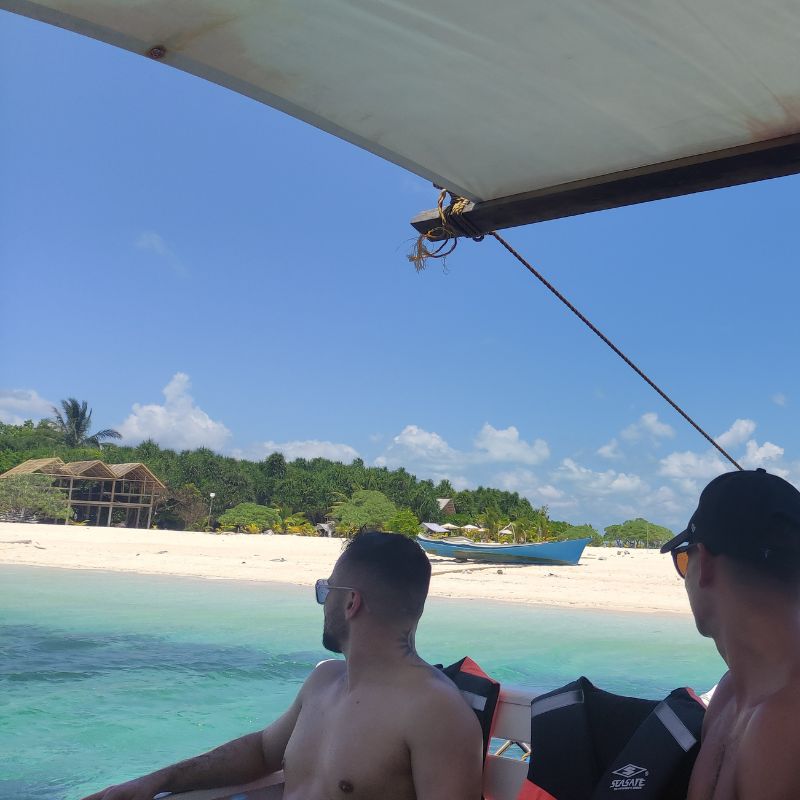
Balabac isn’t priced for luxury finishes. It’s priced for access, coordination, and manpower.
And when you book directly with Balabac Island Tours – Kamp Malaya — a local operator directly tied to Sicsican Island ownership — you remove unnecessary commission layers.
You’re not paying inflated reseller pricing.
You’re paying the team actually running the experience.
Final Thoughts
Balabac is not effortless.
It’s early wake-up calls. Long road trips. Salt on your skin. Limited signal.
But beyond that effort is something rare.
Space.
Space from notifications.
Space from curated timelines.
Space from performance.
After two trips, we know this truth: Balabac is not manufactured for tourists. It remains preserved for travelers willing to commit.
Plan early. Book directly. Secure the hut if comfort matters to you. Build buffer days into your schedule.
And go before it changes.